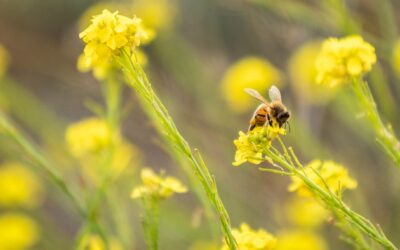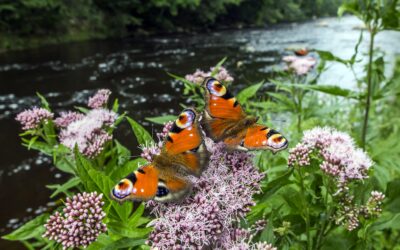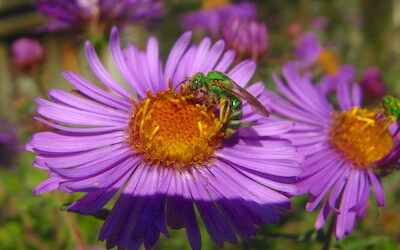
By Jim Kessler. Native plants are adapted to the local area and its climate. Unfortunately, many of our beautiful non-native garden flowers provide little or no food for honeybees, native pollinators, songbirds, and other wildlife. Non-native plants have the potential...
Permaculture: The Art of Designing Beneficial Relationships
By Carol Barta. Permaculture is said to be “the art of designing beneficial relationships.” Permaculture is a design science rooted in the observation of natural systems, the wisdom of traditional farming methods, and systems thinking. It uses both ancient wisdom and...
Important Reasons to Use Native Plants
[flyntTheContent id="1734"]
Ecological Principles of Permaculture
Three important ecological principles of permaculture are: The role that each organism plays, the niche it occupies; Understanding succession in natural ecosystems and using it to heal the soil and bring forth both annual and perennial crops; and including as much...
Introduction to Permaculture
[flyntTheContent id="909"]
Planning, Planting, and Managing Your Butterfly and Pollinator Garden
NATIVE PLANT SELECTION, LAYOUT GUIDELINES, AND MANAGEMENT STRATEGIES FOR BUTTERFLY AND NATIVE POLLINATOR GARDENS Step 1: Location. Choose an appropriate spot for your garden. Step 2a: Strategies to Create Positive Public Perception Before Planting Consider the public...
Choosing Native Plants for Pollinators in Your Area
As Sophie explained in her article, Shrinking or Transforming Your Lawn, it is important to use plants from your native area so that the ecosystem will flourish. The non-profit organization Pollinator Partnership promotes the health of pollinators through...
Ecological Principles of Permaculture
[flyntTheContent id="917"]
Important Reasons to Use Native Plants
Important Facts. Native plants are adapted to the local area and its climate. Unfortunately, many of our beautiful non-native garden flowers provide little or no food for honeybees, native pollinators, songbirds, and other wildlife. Non-native plants have the...
Practical Permaculture Methods: Start Today!
[flyntTheContent id="933"]
Planning a Permaculture Garden
[flyntTheContent id="925"]
Birds, Plants, and Insects: What They Need
[flyntTheContent id="892"]
Shrinking or Transforming Your Lawn
[flyntTheContent id="899"]
Quakers Caring for God’s Creation: A Kessler Family Journey
By Jim Kessler. SERENDIPITOUS moments are transformative intellectually and spiritually. In 1970, close to the first Earth Day, I was finishing a Masters in Biology at the University of Northern Iowa. I bought a Sierra Club book entitled A Moment in the Sun. Its clear...
Flows Repeatedly: Learnings from the Menominee Nation
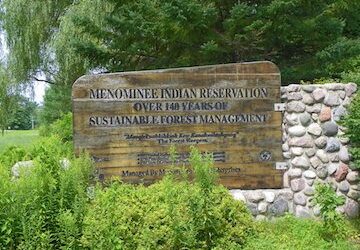
By Tom Small. NAPANOH PEMECWAN—Menominee for “flows repeatedly.” In nature, there is no foreground or background, no hierarchy, only relations, patterns of change and repetition. Train yourself to see the repeated patterns, to understand, feel, and identify with the...
How to Help Pollinators in Your Own Neighborhood
By Dave Crawford. Robin Wall Kimmerer (Braiding Sweetgrass, 2014) suggests humans can restore natural landscapes as a gift to Earth in exchange for the gifts nature provides to humans. She suggests that Earth might say “thank you” to humans for doing this. I’ve done...